Wide Open Spaces & Wild Adventures: Part II — Yellowstone National Park
July 31, 2026
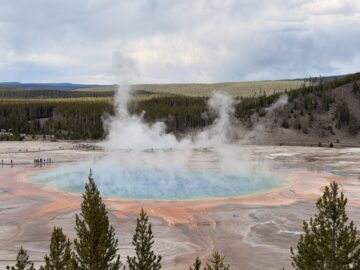
Honestly, I doubted anything could top the awe-inspiring beauty of the Grand Tetons, but I was wrong. Yellowstone exceeded every expectation I had. I think I pictured it as overly commercialized and overrun with tourists, an impression that may have been shaped by all those childhood episodes of Yogi Bear and Boo-Boo stealing picnic baskets. Speaking of picnic baskets, our first surprise in the park came when we watched a woman stop her car in the middle of the road, jump out with camera in hand, and chase a black bear through a wooded area causing the surprised animal to run straight toward a family enjoying a quiet picnic. I’m not entirely sure how that situation ended, but I certainly hope it ended better than it could have. What surprised me most about Yellowstone was the incredible diversity of the scenery, weather, and wildlife. One moment we were driving under bright sunshine across wide open fields, and next we were standing at the rim of a canyon in several inches of snow, watching waterfalls plunging hundreds of feet over cliffs. One morning we awoke to temperatures of just 16 degrees with blowing snow while back home in central Pennsylvania, people were sweltering in temperatures in the 90s. Learn More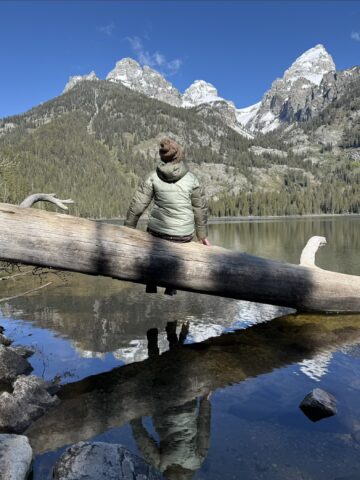
Wide Open Spaces & Wild Adventures: Part 1-The Grand Tetons
June 18, 2026
I had two songs playing in my head throughout this past week, and soon you’ll understand why. The first was the song made famous by Johnny Cash and June Carter Cash entitled “Jackson.” The second was “Wide Open Spaces” by The Chicks. Together, those songs perfectly sum up my latest adventure. In our quest to visit as many national parks as possible, my husband, Blain, and I recently packed our bags and headed to the airport, bound for Grand Teton National Park and Yellowstone National Park. I wasn’t quite sure what to expect, and perhaps that made the trip even more exciting. We traveled without a specific agenda, simply ready for adventure. Our first surprise came before we ever reached the mountains. Not only was our flight on time, but we were unexpectedly upgraded to first class not once, but twice on both legs of our outgoing trip. We are used to sitting with the common folk, so, we felt thoroughly pampered as we were offered unlimited beverages served in real glasses, warm hand towels, and full meals. My immediate thought was, “So this is how the other half flies!” I don’t think I’ll ever walk past the first-class section again without at least one lingering, longing glance. Learn More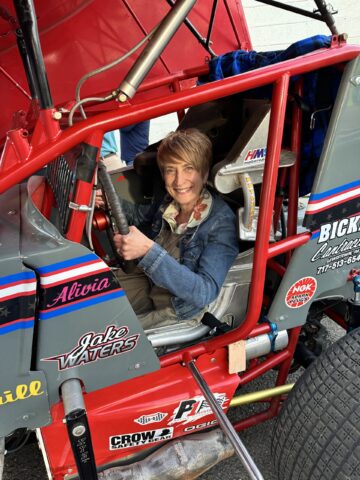
The Port Royal Speedway AKA "The Speed Palace"
June 18, 2026
Our most recent Chamber of Commerce Business After Hours event was hosted by the legendary Port Royal Speedway, lovingly known as “The Speed Palace,” along with the Juniata County Fair (The Juniata County Agricultural Society). From the moment guests arrived, it was clear the organizers had gone above and beyond to create an unforgettable evening filled with history, community pride, and experiences many of us will long remember. Nearly 60 Chamber members attended and were treated to a behind-the-scenes look at one of our region’s most treasured destinations. Guests enjoyed history lessons, guided bus tours, sprint car and late model displays, personal interviews with drivers, and opportunities to interact with track officials, fair board members, and staff. Attendees explored recent upgrades to the facility, including the grandstand improvements, walked through the tunnel to the infield, and experienced a guided riding tour around the expansive grounds. Learn More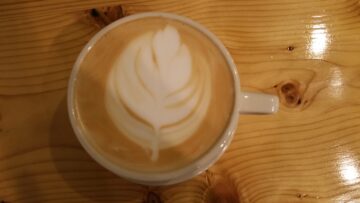
Listening to that Quiet Voice
June 18, 2026
We all have a wide variety of experiences throughout our lives, some filled with joy and laughter, others with sadness and tears, but only a few are truly life-altering. Recently, I experienced one of those moments, and I know I have been forever changed by it. My Friday began like any other until I arrived at my local coffee shop and passed one of my dear morning coffee club regulars heading toward the door much earlier than normal. It took only a matter of seconds to realize he was acting peculiarly. He wore a puzzled expression as we crossed paths, and when I asked him what was wrong, he answered in broken sentences, conveying only that he needed to go home. I begged him to allow me to drive him, but he insisted he would be fine. An uneasy feeling settled over our table of regulars, with concern etched on all our faces. We discussed what we should, or should not, do to make certain he was okay. Eventually, we each went our separate ways, but as the day wore on, my apprehension grew. A hundred scenarios paraded through my mind. What if he wasn’t, okay? What if he needed assistance? What if he just wanted to be left alone to rest? Learn More